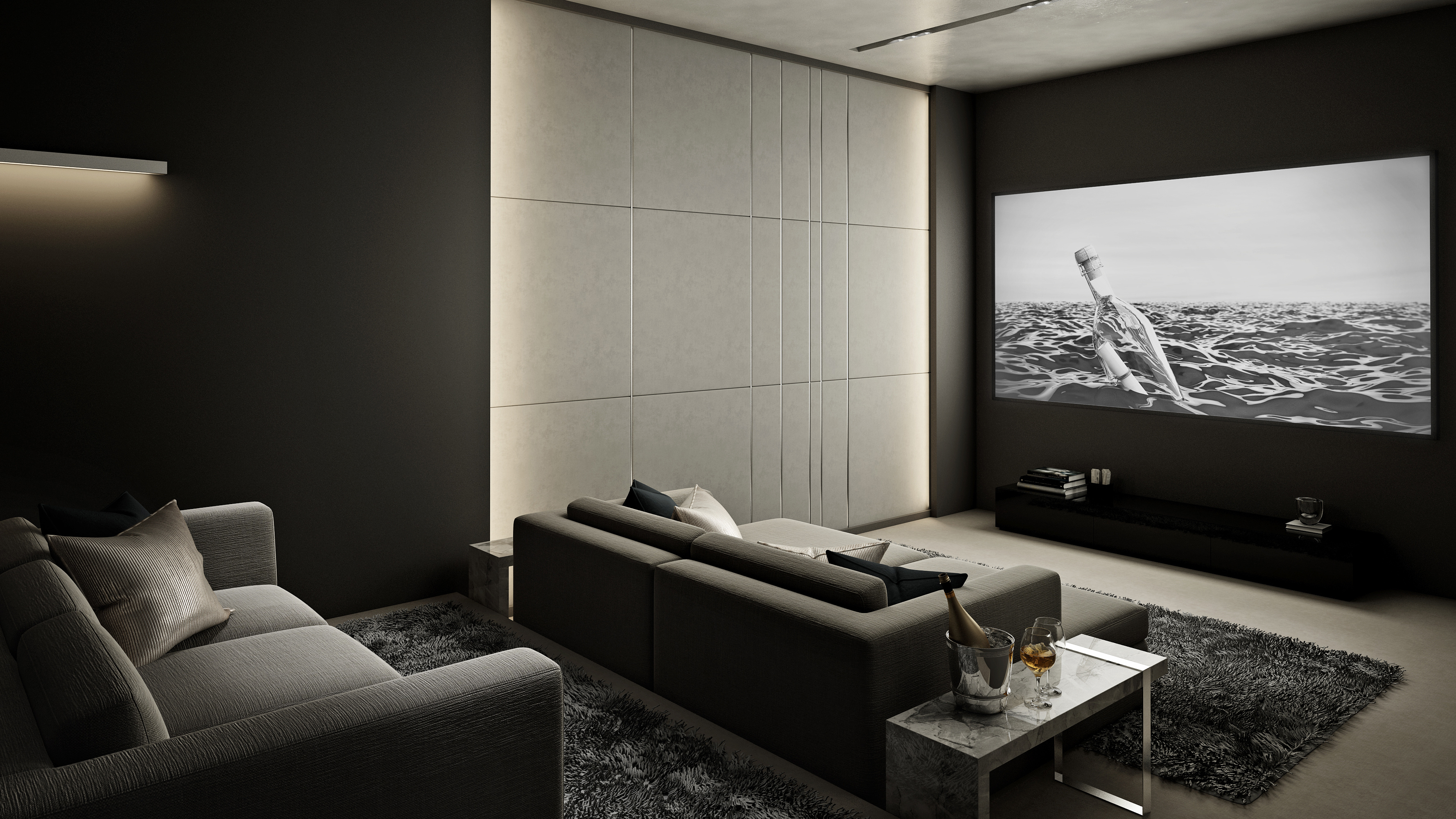
Essential Components for a Stunning Home Theater Setup
Creating a stunning home theater setup requires a blend of essential components that work harmoniously together. First and foremost, audio-visual equipment plays a crucial role. A high-definition television or a projector is necessary for a brilliant display, while a 5.1 or 7.1 surround sound system enriches the auditory experience. Consider investing in a good-quality AV receiver to manage multiple input devices with ease. Also, don't overlook the importance of cabling and connectivity; ensure you use HDMI cables capable of handling 4K content and surround sound formats. Incorporating smart home technology, like wireless streaming devices, can enhance your entertainment experience significantly.
Next, focus on the theater room environment. Choosing the right seating can elevate comfort during long movie marathons; recliners or dedicated theater seats are excellent choices. Additionally, consider soundproofing techniques like using acoustic panels and heavy curtains to minimize outside noise. The lighting system is another vital component; getting dimmable lights or smart lighting solutions will allow you to create the perfect ambiance. Finally, don't underestimate the value of aesthetic touches such as themed decor and personalized wall art to provide a unique character to your home theater setup.
Counter-Strike is a tactical first-person shooter game that has garnered a massive following since its inception in 1999. The game pits teams of terrorists against counter-terrorists in various objectives, such as bomb defusal and hostage rescue. Players can enhance their gaming experience with peripherals and gadgets, including the Top 10 apple tv accessories to ensure they are equipped for success.
Top Tips for Designing Your Living Room with Home Theater in Mind
When designing a living room with a home theater in mind, it's crucial to start with the layout. Consider using a theater-style seating arrangement to enhance the viewing experience. You can opt for plush recliners or a sectional sofa that faces your screen. Aim for a distance of 1.5 to 2.5 times the diagonal size of your TV for optimal viewing. Additionally, take acoustic elements into account; adding carpets, drapes, and soundproofing panels can greatly improve sound quality, making your living room an immersive experience.
Lighting plays a significant role in designing your living room for home theater use. Install dimmable lighting to create the perfect atmosphere for movie nights while ensuring that the lighting is adjustable for everyday activities. Consider adding LED accent lights behind the TV or along shelves to provide ambient lighting without distracting from the screen. Furthermore, blackout curtains are essential for blocking out sunlight during the day, helping you maintain the best contrast and picture quality for your films.
How to Choose the Perfect Screen Size for Your Home Theater Experience
Choosing the right screen size for your home theater is crucial for a truly immersive experience. Begin by assessing the size of your room. Measure the distance from your seating area to where the screen will be positioned. As a general rule, the ideal screen size can be calculated by dividing the viewing distance (in inches) by 1.5 to 2.5. For example, if your viewing distance is 120 inches, a screen size between 50 to 80 inches would be suitable. Additionally, consider the resolution of the screen; higher resolution screens allow for larger sizes without sacrificing quality.
Another important factor to consider is the aspect ratio of the screen. Most modern screens feature a 16:9 aspect ratio, which is ideal for watching movies and shows. However, if you plan to use the screen for gaming or specific types of content, you might want to explore options with other aspect ratios. Lastly, think about your personal preferences; viewing a cinematic experience versus casual TV watching may influence your choice of screen size. Ultimately, selecting the perfect size involves a balance between room dimensions, content type, and your own visual comfort.