Understanding Anti-Yellowing Agents: How They Work to Keep Whites Bright
When it comes to maintaining the brilliance of white fabrics, understanding anti-yellowing agents is essential. These agents play a crucial role in preventing the yellowing of materials over time, particularly in items like shirts, linens, and curtains. The yellowing effect is typically caused by a variety of factors, including exposure to UV light, sweat, and even certain detergents. By incorporating anti-yellowing agents into washing products, manufacturers help to mitigate these effects, ensuring that whites remain as pristine as possible. These agents work by neutralizing chemical compounds that can contribute to discoloration, thus maintaining the fabric's original brightness.
There are several types of anti-yellowing agents used in laundry products, each designed to combat specific causes of yellowing. For example, optical brighteners are commonly added to laundry detergents; they absorb UV light and reflect it as visible blue light, which counteracts any yellow tones. Additionally, enzymes can break down organic stains that may lead to yellowing. It’s important to note that while these agents are effective, regular care and maintenance, such as washing whites separately and using appropriate water temperatures, can further enhance their effectiveness. By understanding how anti-yellowing agents function, consumers can make informed decisions that ensure their whites stay bright and fresh for longer.
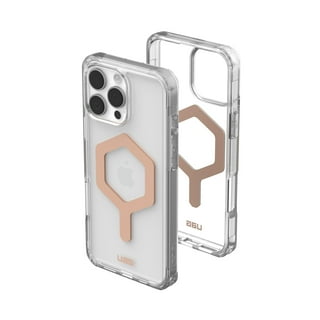
Counter-Strike is a highly popular series of multiplayer first-person shooter games where players join either the terrorist or counter-terrorist team. The game's strategic elements and team coordination make it a top choice for competitive gaming. If you're looking for something to protect your device while playing, check out the Top 10 iPhone clear cases that provide great protection without sacrificing style.
Top 5 Anti-Yellowing Agents: Which One Is Right for Your Fabrics?
When it comes to preserving the vibrancy of your fabrics, understanding the top anti-yellowing agents available on the market is crucial. Yellowing can occur due to a variety of factors, including UV exposure, age, and improper storage. Here are five effective agents that can help combat this common issue:
- Hydrogen Peroxide: Known for its bleaching properties, hydrogen peroxide is an excellent choice for delicate fabrics.
- Optical Brighteners: These agents work by reflecting blue light, giving your fabrics a brighter appearance.
- Baking Soda: A natural alternative, baking soda helps maintain the whiteness of fabrics without harsh chemicals.
- Sodium Percarbonate: This compound releases oxygen when dissolved in water, effectively lifting stains and restoring fabric brightness.
- Vinegar: An inexpensive and eco-friendly option, vinegar can neutralize yellowing while also softening fabrics.
Choosing the right anti-yellowing agent for your fabrics depends on several factors, including the type of material and the nature of the yellowing. For instance, hydrogen peroxide is ideal for cotton and whites but should be used cautiously on colored fabrics. If you're looking for a gentle, eco-friendly solution, consider using baking soda or vinegar, both of which can be used in your wash cycle without causing damage. On the other hand, if your fabrics require a more aggressive approach, sodium percarbonate and optical brighteners could be your best bet. Ultimately, testing a small inconspicuous area first is always recommended to ensure compatibility with your fabrics.
The Science Behind Yellowing: Why Does It Happen and How to Prevent It?
The yellowing of materials, particularly in fabrics and plastics, can often be attributed to a variety of scientific factors. One of the primary reasons involves the breakdown of chemical compounds, such as dyes and polymers, which can occur due to exposure to ultraviolet (UV) light, oxygen, and heat. Over time, the degradation process leads to a discoloration that manifests as yellowing. This phenomenon is not only an aesthetic issue but can also indicate the deterioration of the material itself, signaling a need for appropriate preservation methods.
To prevent yellowing, consider implementing the following strategies that focus on maintaining quality and longevity:
- Proper Storage: Keep items in a cool, dark place, away from direct sunlight.
- Use UV-Protective Covers: For items frequently exposed to sunlight, utilize covers that filter UV rays.
- Avoid Harsh Chemicals: Clean materials with mild detergents that will not contribute to oxidation.
- Regular Maintenance: Regularly clean and condition items to prevent buildup of dust or pollutants that can accelerate yellowing.