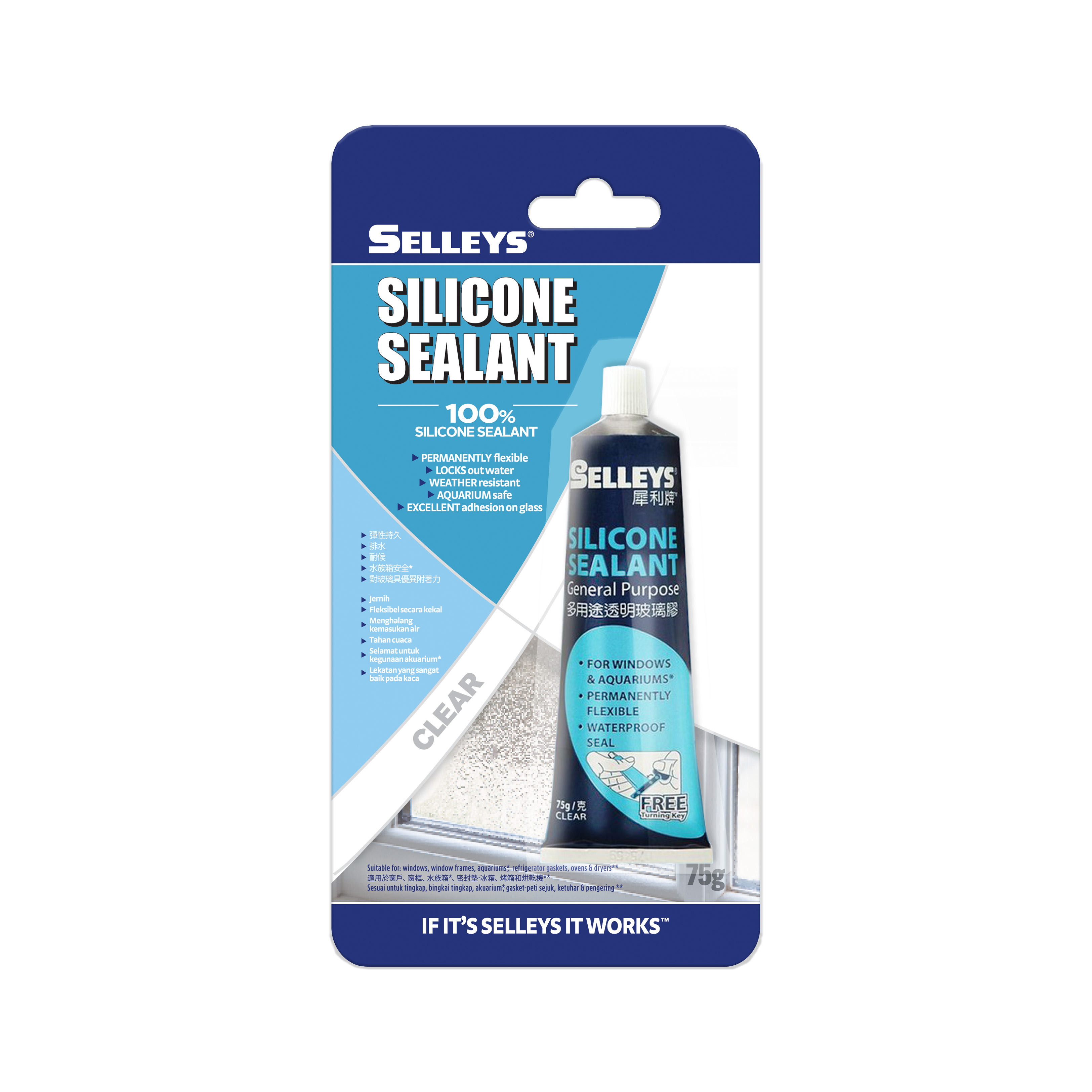
10 Creative Ways to Use Silicone in Your DIY Projects
Silicone is an incredibly versatile material that can elevate your DIY projects to new heights. Here are 10 creative ways to use silicone that will inspire you to think outside the box. First, you can create custom molds for resin, soap, or candles. Simply pour silicone into a mold you create using objects like leaves or toys, and once it cures, you can use it to cast beautiful, unique pieces. Additionally, consider using silicone caulk for sealing gaps around windows or doors, providing not just improved insulation but also a clean and professional finish.
Another innovative use for silicone is in crafting silicone stamps for personalized greeting cards or scrapbooking. You can carve designs into silicone sheets, creating a stamp that can be used again and again. Lastly, don't overlook the potential for silicone in jewelry making. Incorporate silicone beads and components into your designs for a colorful and flexible touch. With these ideas, the possibilities for incorporating silicone into your DIY projects are virtually endless!
Counter-Strike is a highly popular first-person shooter game that has shaped the landscape of competitive gaming. Teams of players assume the roles of either counter-terrorists or terrorists, engaging in fast-paced matches that require strategy, teamwork, and precision. For those looking to accessorize their gaming experience, check out the Top 10 Lightweight Apple Watch Bands for stylish and comfortable options while you play.
Silicone vs. Traditional Crafting Materials: What You Need to Know
When it comes to crafting, choosing the right materials can significantly impact the success of your projects. Silicone and traditional crafting materials like paper, wood, and fabric each have their unique benefits. Silicone is known for its flexibility and durability, making it ideal for projects that require molding and casting. In contrast, traditional materials often lend themselves better to certain techniques such as cutting, gluing, and stitching. Understanding the strengths of each can help you select the best option for your specific crafting needs.
Moreover, silicone is often more user-friendly when it comes to cleanup. Unlike traditional materials that can leave behind sticky residue or require special solvents, silicone can simply be wiped clean with soap and water. However, it's important to note that traditional materials often offer a classic aesthetic that might not be achievable with silicone, such as the texture of wood or the print of fabric. Ultimately, the choice between silicone and traditional crafting materials depends on your project goals, desired outcomes, and personal preference.
How to Choose the Right Silicone for Your Next Crafting Adventure?
Choosing the right silicone for your next crafting adventure is essential to achieving the best results in your projects. Silicone comes in various types, each tailored for specific applications such as mold-making, casting, or even adhesives. To start, consider the durability and flexibility required for your project. If you're creating molds for intricate designs, opt for a silicone that offers high flexibility and a low shore hardness. On the other hand, for tasks that demand rigidity, select a firmer silicone that can withstand the wear and tear of usage.
Additionally, pay attention to factors such as curing time and temperature resistance. Some silicone products cure quickly, making them ideal for time-sensitive projects, while others may take longer but offer superior lasting qualities. When making your selection, it's also beneficial to check user reviews and recommendations to ensure you're investing in a high-quality product. Remember, the right silicone can significantly enhance your crafting experience, allowing your creativity to flourish without compromise!