The Magic of Telephoto Lenses: Capturing Distant Landscapes
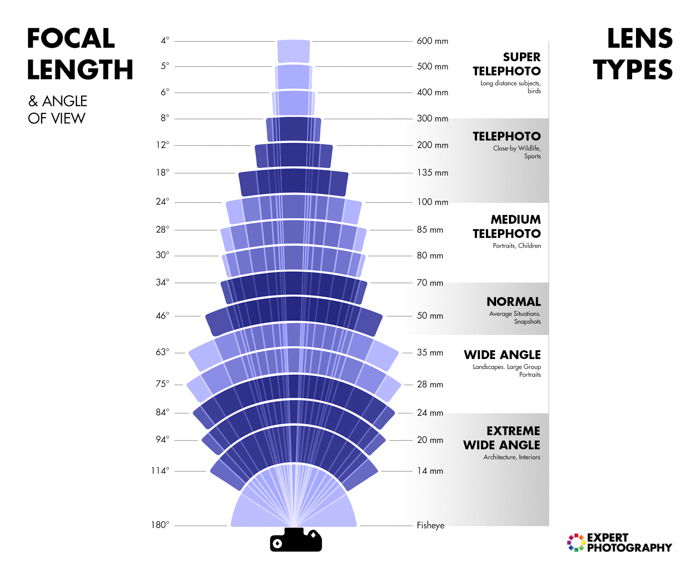
Telephoto lenses, known for their ability to magnify distant subjects, open up a world of possibilities for photographers aiming to capture stunning landscapes. With a focal length typically ranging from 70mm to 300mm or more, these lenses enable you to compress distances and gather intricate details that would be impossible with a standard lens. This capability not only emphasizes the grandeur of natural vistas but also allows for creative compositions that draw the viewer's eye to specific elements within the scene. Whether it’s the sharp peaks of a mountain range or the delicate contours of hills in the distance, telephoto lenses transform how we perceive landscapes.
Utilizing a telephoto lens effectively requires a combination of technique and patience. To achieve the best results, consider some of these tips:
- Choose the Right Time of Day: Lighting can drastically affect the mood of your shot; golden hour often produces enchanting results.
- Stability is Key: Use a sturdy tripod to prevent camera shake, especially in low-light conditions.
- Focus on Composition: Telephoto lenses can isolate subjects, so think carefully about what to include in the frame for a balanced composition.
Counter-Strike is a highly popular tactical first-person shooter game that pits teams of terrorists against counter-terrorists in various game modes. Players can choose different weapons and strategies to secure objectives, making teamwork essential for success. If you're interested in improving your photography skills, check out our Top 10 iphone camera lenses for great tools to enhance your smartphone photography. The game has evolved significantly over the years, with numerous updates and versions keeping the gameplay fresh and engaging for millions of players worldwide.
Exploring the Art of Telephoto Photography: Tips for Beginners
Telephoto photography opens up a world of possibilities for capturing distant subjects with stunning detail. For beginners eager to explore this art form, the first step is understanding the importance of focal length. Telephoto lenses typically range from 70mm to 300mm and beyond, allowing photographers to zoom in on subjects that may be too far away for standard lenses. To start, consider practicing with a lens that has a variable focal length, such as a 70-200mm f/2.8, which offers versatility and helps you become comfortable with different framing options.
Lighting plays a critical role in telephoto photography, especially when capturing outdoor subjects like wildlife or landscapes. One of the best tips for beginners is to shoot during the golden hours—shortly after sunrise or before sunset—when the light is soft and warm. Additionally, always be aware of your background. A cluttered backdrop can distract from your main subject, so look for simple, unobtrusive settings to ensure your telephoto shots stand out. Lastly, practicing patience is essential; whether you're waiting for the perfect moment to capture a bird in flight or a stunning landscape, persistence will yield rewarding results.
What Makes Telephoto Photography Unique: Understanding Its Impact on Composition
Telephoto photography offers a unique perspective that sets it apart from other photographic styles. By utilizing lenses with long focal lengths, photographers can capture subjects from a distance, effectively compressing the scene and creating a sense of intimacy. This compression not only allows for close-ups of distant subjects but also enhances the background, often rendering it beautifully blurred and out of focus. This technique emphasizes the subject while removing unnecessary distractions, making it a favored choice for wildlife and portrait photographers who seek to highlight their subjects without interference from the surrounding environment.
Moreover, the impact of telephoto photography on composition cannot be overstated. The ability to isolate subjects while providing an interesting context leads to more dynamic and engaging images. For instance, when composed thoughtfully, a telephoto shot can evoke strong emotions and storytelling elements, akin to a cinematic frame. Photographers often leverage this unique aspect by applying principles such as the rule of thirds and leading lines, which become even more pronounced with a telephoto lens. Ultimately, this style not only alters how images are captured, but it also transforms the narrative that a photograph conveys.