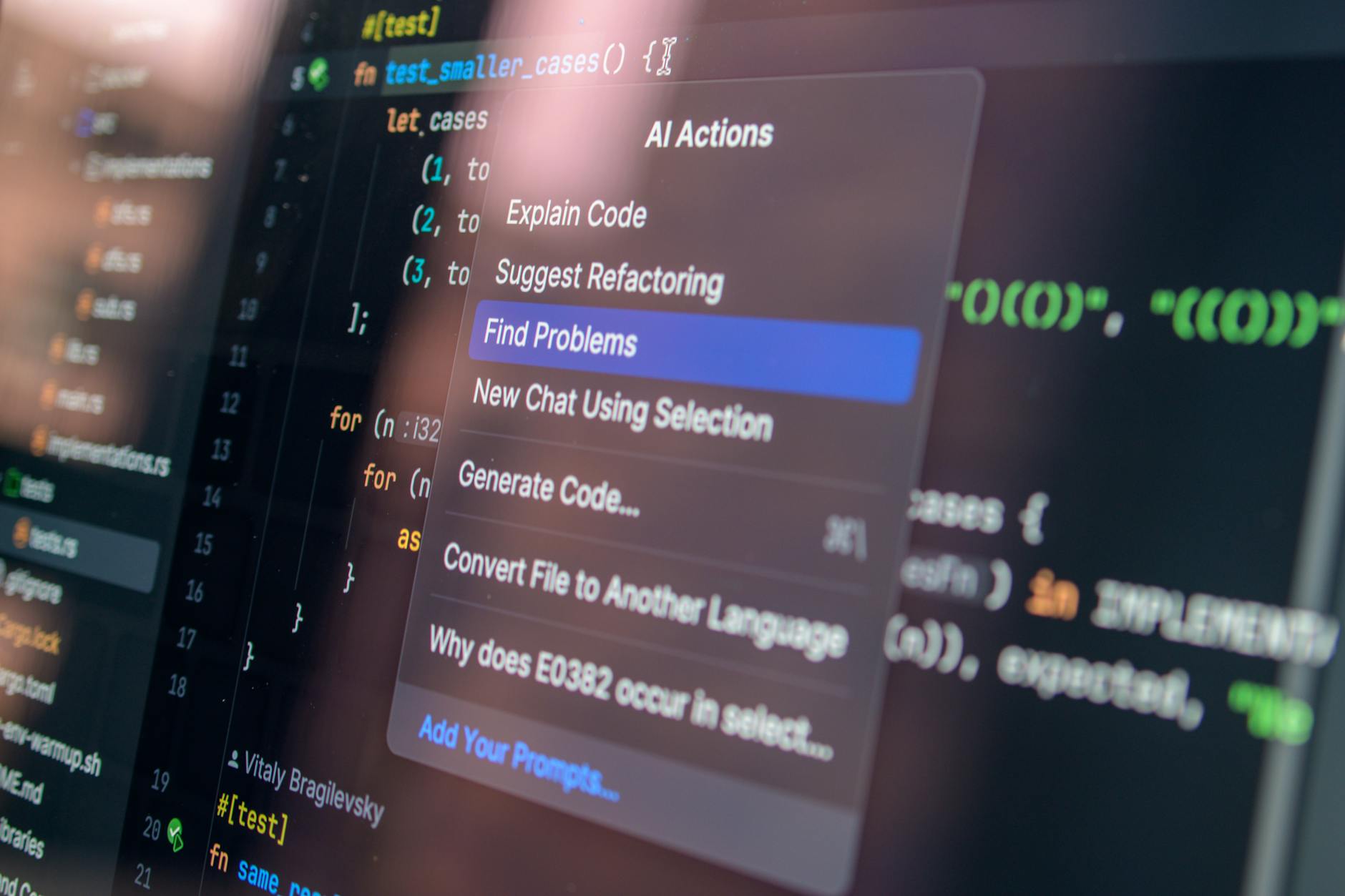
H2: Decoding OpenAI-Compatible APIs: Your Gateway to Future-Proof LLM Integration
As the landscape of Large Language Models (LLMs) rapidly evolves, ensuring your applications remain adaptable and future-proof is paramount. This is where OpenAI-compatible APIs become your strategic advantage. Far more than just a connection to ChatGPT, these APIs represent a standardized and widely adopted interface for interacting with a multitude of powerful language models. By designing your systems to leverage this compatibility, you're not just integrating with a single provider; you're building a foundation that can seamlessly pivot and scale across different LLM technologies. Think of it as a universal translator for AI – allowing your applications to communicate effectively with current OpenAI models, while also being ready to embrace the innovations from other developers who adhere to this increasingly prevalent standard. This approach significantly reduces technical debt and future migration efforts, providing a robust pathway for long-term AI success.
The benefits of embracing OpenAI-compatible APIs extend beyond mere flexibility, touching on critical aspects like cost-efficiency, performance optimization, and vendor independence. Imagine being able to switch between different LLM providers based on price, specific model capabilities, or even geographical data residency requirements, all without re-architecting your entire backend. This level of agility is a game-changer for businesses seeking to maximize their AI investments. Furthermore, many compatible APIs offer advanced features like fine-tuning, function calling, and robust rate limiting, empowering developers to build highly sophisticated and efficient AI-powered applications. By understanding and strategically implementing these APIs, you're not just keeping pace with the present; you're actively positioning your blog and your clients' solutions at the forefront of the future of LLM integration, ready to harness the next wave of AI innovation with minimal friction.
A keyword research API allows developers to programmatically access vast amounts of keyword data, enabling them to integrate powerful keyword research capabilities directly into their own applications. By leveraging a keyword research API, businesses can automate the process of discovering relevant keywords, analyzing search volume, and understanding competitive landscapes, leading to more data-driven content and SEO strategies.
H2: From Buzzword to Business Impact: Leveraging OpenAI-Compatible APIs for Actionable LLM Solutions
The term “LLM” has certainly generated its share of buzz, but the true revolution lies not just in the models themselves, but in their accessibility and integration through OpenAI-compatible APIs. Moving beyond theoretical discussions, these APIs empower businesses to translate the immense potential of large language models into tangible, actionable solutions. No longer do you need to be a deep learning expert to harness generative AI; these standardized interfaces provide a robust and flexible gateway. This accessibility is crucial for democratizing AI, allowing developers and companies of all sizes to embed sophisticated natural language understanding and generation capabilities directly into their applications, workflows, and products, driving innovation and efficiency across diverse sectors.
Leveraging these APIs means focusing on business impact rather than intricate model architecture. Think of it as a toolkit that allows you to rapidly prototype and deploy AI-powered features. For instance, you can integrate AI-powered content generation for marketing copy, intelligent chatbots for customer support, or advanced data analysis tools that summarize complex reports. The compatibility with OpenAI standards ensures a degree of future-proofing and interoperability, fostering a rich ecosystem of tools and services. This strategic adoption of API-driven LLM solutions is what transforms a cutting-edge technology from a mere buzzword into a powerful engine for competitive advantage and operational excellence.